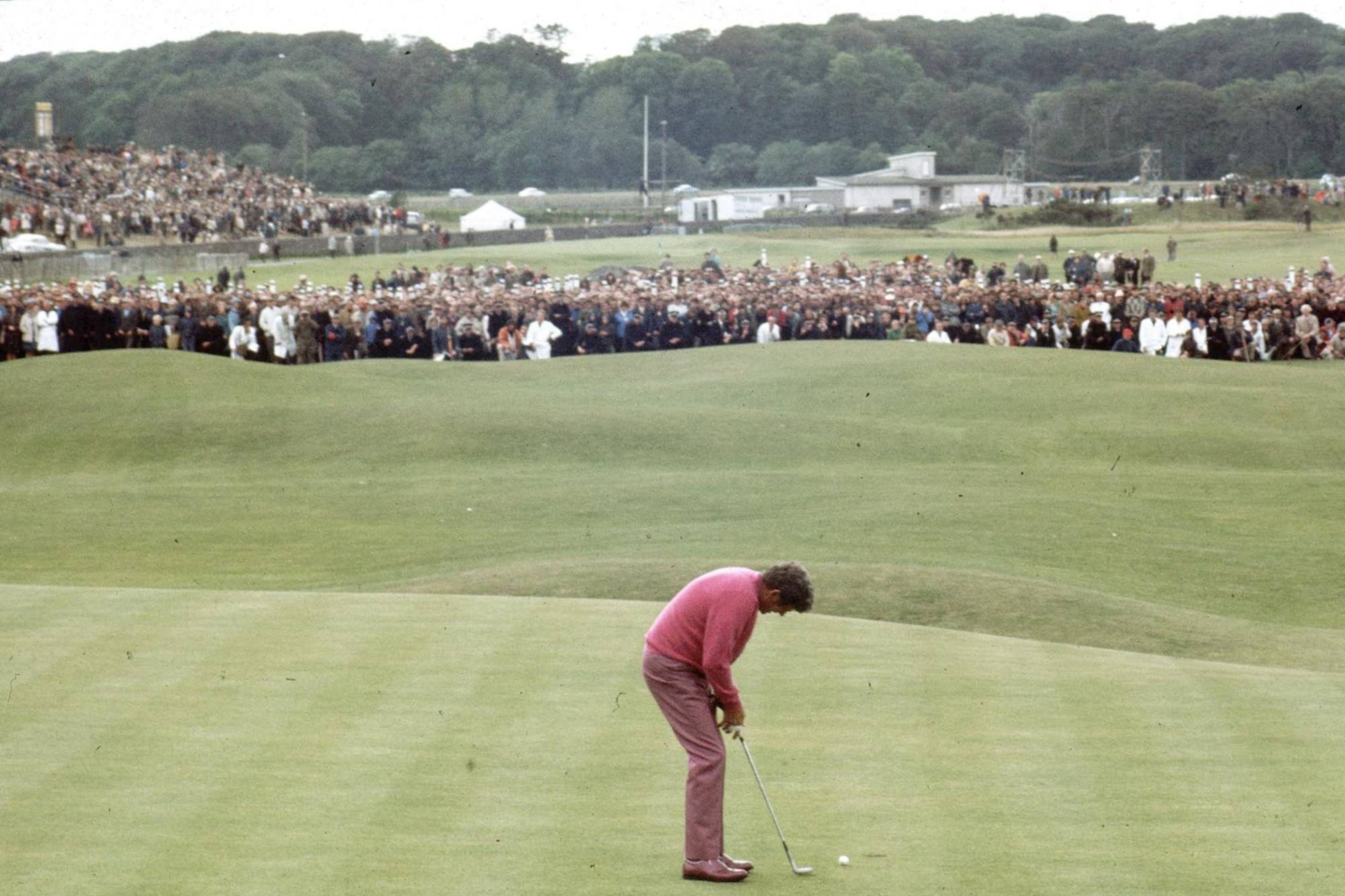
Golf is more than just a game; it is a rich tapestry woven with stories, legends, and history. The sport has inspired countless writers, poets, and historians to capture its essence through literature. In this blog post, we will explore how various literary works have chronicled the evolution of golf, its cultural significance, and the unforgettable characters that have shaped its narrative.

The Origins of Golf in Literature
The roots of golf can be traced back to the 15th century in Scotland, where it was played on the links of St. Andrews. The earliest known reference to golf appears in a 1457 act of the Scottish Parliament, which prohibited the game to encourage archery practice. This historical backdrop sets the stage for a wealth of literary exploration.
Early References to Golf
One of the earliest literary mentions of golf can be found in the works of Sir Walter Scott, a prominent Scottish novelist and poet. His writings often reflect the culture and traditions of Scotland, including the game of golf. In his novel “The Heart of Midlothian,” Scott references golf as a pastime enjoyed by the Scottish gentry, highlighting its social significance.
Golf in the 19th Century
As golf gained popularity in the 19th century, it began to appear in various literary forms. The publication of “The Golfer’s Handbook” in 1890 by the renowned golfer and writer, John Low, marked a significant moment in golf literature. This handbook not only provided practical advice for players but also captured the spirit of the game, emphasizing the importance of etiquette and sportsmanship.
The Golden Age of Golf Literature
The early 20th century is often referred to as the golden age of golf literature. This period saw the emergence of several influential writers who shaped the narrative of golf through their works.
P.G. Wodehouse and the Humor of Golf
P.G. Wodehouse, known for his humorous novels, often incorporated golf into his stories. His character, Bertie Wooster, frequently finds himself in comical situations on the golf course. In “The Inimitable Jeeves,” Wodehouse uses golf as a backdrop for witty dialogue and absurd scenarios, showcasing the lighter side of the sport.
The Poetry of Golf
Golf has also inspired poets to capture its beauty and intricacies. One notable example is the poem “The Golf Links” by Sarah Norcliffe Cleghorn, which reflects on the contrast between the idyllic setting of a golf course and the struggles of the working class. This poem serves as a reminder of the social disparities that exist within the sport.
The Modern Era of Golf Literature
As golf evolved, so did its representation in literature. Contemporary authors have explored the game from various angles, delving into its complexities and the lives of its players.
Biographies and Memoirs
Biographies of legendary golfers have become a popular genre in golf literature. Books like “The Big Miss” by Hank Haney offer an intimate look at the life of Tiger Woods, revealing the challenges and triumphs he faced throughout his career. These memoirs not only document the achievements of these athletes but also provide insights into their personal lives and the sacrifices they made for the sport.
Fictional Representations of Golf
Fictional works have also embraced golf as a central theme. “The Greatest Game Ever Played” by Mark Frost tells the inspiring story of Francis Ouimet, an amateur golfer who triumphed over the odds to win the 1913 U.S. Open. This narrative captures the essence of determination and passion that defines the sport.
The Cultural Impact of Golf Literature
Golf literature has played a significant role in shaping the cultural perception of the game. It has influenced how society views golfers, the sport itself, and the values associated with it.
Golf as a Metaphor for Life
Many authors have used golf as a metaphor for life, illustrating the parallels between the two. The concept of perseverance, patience, and the pursuit of excellence resonates deeply with readers. Books like “Golf is Not a Game of Perfect” by Dr. Bob Rotella emphasize the mental aspects of the game, encouraging players to approach golf—and life—with a positive mindset.
The Role of Golf in Society
Golf literature often reflects the societal changes surrounding the sport. As golf became more accessible to diverse populations, authors began to explore themes of inclusion and equality. Works like “The Match” by Mark Frost highlight the rivalry between two iconic golfers, showcasing how the sport can bridge divides and foster camaraderie.
The Future of Golf Literature
As we look to the future, golf literature continues to evolve. New voices are emerging, and fresh perspectives are being shared. The rise of digital media has also transformed how golf stories are told, with blogs, podcasts, and social media platforms providing new avenues for expression.
Embracing Diversity in Golf Literature
The future of golf literature lies in its ability to embrace diversity. Authors from various backgrounds are beginning to share their experiences and insights, enriching the narrative of the sport. This shift not only broadens the scope of golf literature but also reflects the changing demographics of the golfing community.
The Role of Technology in Golf Storytelling
Technology has revolutionized how golf stories are told. With the advent of virtual reality and interactive media, readers can now experience golf in immersive ways. This innovation opens up new possibilities for storytelling, allowing authors to engage audiences in ways that were previously unimaginable.
Conclusion
Golfing history is intricately linked to literature, with each influencing the other over the centuries. From early references in Scottish texts to modern biographies and fictional narratives, the stories of golf continue to captivate audiences. As we explore these timeless works, we gain a deeper understanding of the sport’s cultural significance and the values it embodies.
Whether you are a seasoned golfer or a casual reader, delving into the world of golf literature offers a unique perspective on this beloved game. So, pick up a book, hit the course, and immerse yourself in the rich history of golf through the lens of literature.